
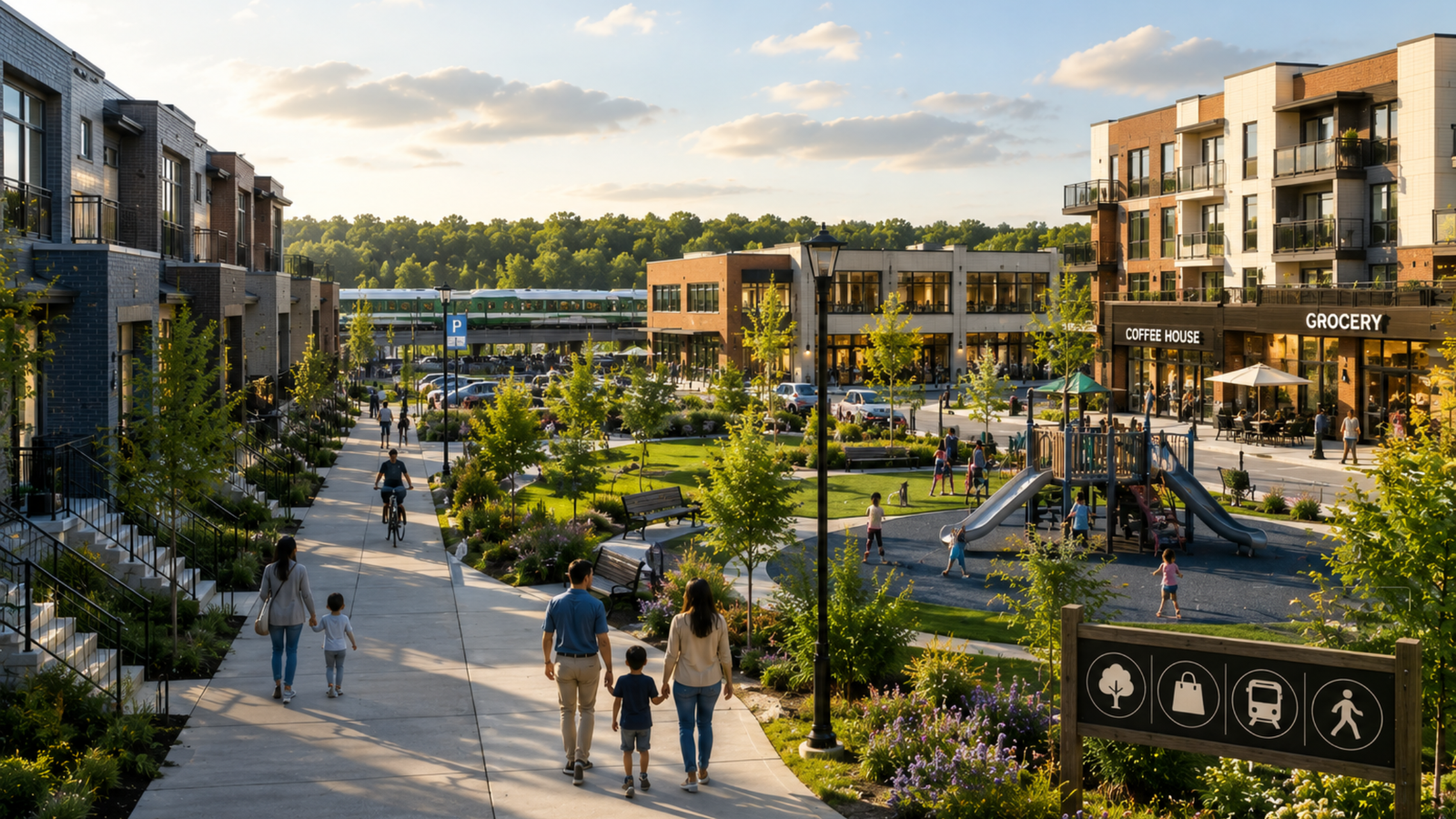
Buying a home used to begin with a simple checklist: price, bedrooms, lot size and commute time. Those details still matter, but today’s buyers are looking at something bigger. They want to know how the entire neighbourhood will support their routines, relationships and plans.
That shift is one reason Urban Village Communities are becoming an important part of modern homeownership. Instead of separating homes from shops, parks, schools, transit and gathering spaces, these neighbourhoods bring daily needs closer together. You may spend less time travelling between essentials and more time enjoying the place you call home.
What Is an Urban Village Community?
An urban village is a residential area planned to feel complete rather than isolated. Homes form the foundation, but the wider design also considers transportation, green spaces, local services, recreation and opportunities for people to meet.
The goal is not to recreate a crowded downtown. It is to offer the usefulness of urban living within a neighbourhood that still feels comfortable and personal. You may have access to parks and trails while remaining connected to shopping, employment areas and major roads.
Everyday Convenience Becomes Part of Homeownership
A home can have the perfect kitchen and plenty of storage, but long trips for groceries, school, healthcare or recreation can make daily life tiring. Urban village planning reduces that pressure by placing important services within the broader community or making them easier to reach.
That can mean having:
- Schools, childcare and community facilities nearby
- Shops, restaurants and essential services within a reasonable distance
- Parks, trails and recreation integrated into the neighbourhood
- Convenient connections to transit and regional highways
When these elements work together, routine tasks become simpler. Parents may find school runs more manageable, professionals may have better commuting options, and older residents can stay connected to services and social spaces.
Walkability and Shared Spaces Create Connection
Walkability is not only about reaching a destination without a car. It also changes how you interact with your surroundings.
Sidewalks, trails, parks and connected streets encourage you to spend more time outdoors. An evening walk, a visit to a playground or a quick trip to a nearby café can become part of your normal routine.
Shared spaces also create natural opportunities to see neighbours and become familiar with the community. Parks, recreation facilities and community centres allow people to gather without forcing interaction. These small connections can make a new development feel welcoming.
Homes Can Support More Stages of Life
Homeownership needs rarely stay the same. A spare room may become a nursery, an office or a space for an ageing parent. Commuting habits may change, while access to schools or healthcare may become more important.
Urban Village Communities often include different home types and layouts, giving buyers more choice. Townhomes, detached homes and other options can serve first-time buyers, growing families and people looking to simplify their living arrangements.
This housing variety helps a community remain active and inclusive. Instead of serving one narrow type of buyer, it can support residents through different stages of life.
How Public Planning Supports Complete Communities
A new neighbourhood should not be judged only by what exists on move-in day. You should also examine how roads, services, parks and public facilities are expected to develop as the population grows.
The City of Pickering Official Plan provides the long-term land-use direction for growth and development across Pickering. It addresses housing, transportation systems, open spaces and community design. This official framework helps connect residential growth with the infrastructure and services needed around it.
Good planning cannot guarantee future property values. However, a community that remains accessible, useful and attractive may continue to appeal to future buyers. Municipal planning is an important part of a careful home-buying decision.
How Seatonville Reflects the Urban Village Idea
Pickering’s Seaton area is developing as a planned community supported by transportation, recreation, employment areas and natural surroundings. The MODO at Seatonville project page highlights access to nearby community facilities, Highways 407, 401 and 412, Durham Region Transit and Pickering GO Station.
For buyers considering townhome living, deco homes pickering shows how new housing can sit within a broader community-focused setting. The attraction is not simply the home design. It is the combination of regional connectivity, nearby recreation and the continuing growth of Seatonville.
This is what separates urban village planning from a development focused only on houses. It considers how residents will move, spend time and reach daily needs after receiving the keys.
What Should You Check Before Buying?
Every planned community is different, so look beyond promotional language and consider how the area will work for you.
Before making a decision, check:
- Which amenities are available now and which are still proposed
- How long your commute takes during busy hours
- Whether parks, schools, shops and healthcare are easy to reach
- Whether the home layout supports your future needs
- What municipal plans say about roads, transit and nearby growth
- Whether the builder is licensed and has a record you can review
Visit the area at different times of day as well. A neighbourhood may feel different during a weekday commute, on a quiet evening or over the weekend.
A More Complete Way to Own a Home
Modern homeownership is no longer only about what sits inside your property line. The neighbourhood affects how easily you travel, how often you spend time outdoors and how connected you feel to nearby people and services.
Urban Village Communities respond to these priorities by bringing homes, infrastructure, amenities and shared spaces into one coordinated plan. For buyers, that can mean greater everyday convenience and a neighbourhood capable of supporting changing needs.
MODO at Seatonville allows buyers to explore modern townhome living within Pickering’s growing Seaton area. Compare the homes, study the community plan and consider how the location fits both your routine today and the life you want to build next.